
Get Drain Line Replacement
Drain line replacement services help property owners fix damaged or clogged underground pipes, often involving sewer, drain, or main line repairs and replacements.
If you're considering drain line replacement, you're in the right place to explore your options. Property owners in the area often face issues such as aging pipes, frequent backups, or the need to upgrade drainage systems to meet current standards. Understanding the practical reasons for undertaking this work can help inform your planning process, whether you're preparing for a major renovation or addressing ongoing plumbing concerns. Keep reading to learn how local contractors can assist with your project and what factors to consider when comparing service providers.
Finding the right professionals for drain line replacement involves evaluating local contractors who specialize in this type of work. Many property owners choose to explore their options carefully, considering experience, reputation, and the scope of services offered. This approach ensures that the project aligns with specific needs and helps identify service providers capable of handling the job efficiently. Continue exploring to discover how connecting with local experts can support your planning and decision-making process.
- Drain Line Replacement - needed when existing drain lines are cracked, broken, or severely clogged.
- Drain Line Replacement - required if tree roots or debris have caused significant damage to underground pipes.
- Drain Line Replacement - necessary after a major sewer backup or recurring drainage issues.
- Drain Line Replacement - appropriate when old pipes are corroded or deteriorated beyond repair.
- Drain Line Replacement - essential if there are persistent foul odors or water pooling around the foundation.
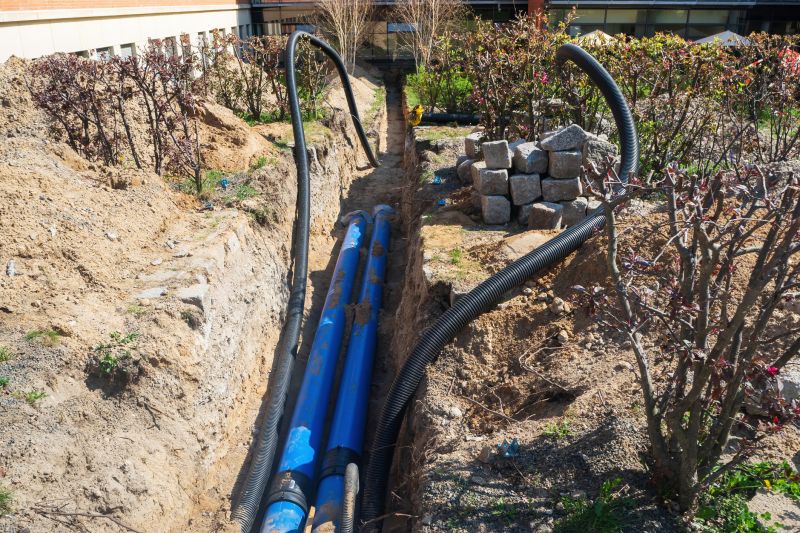
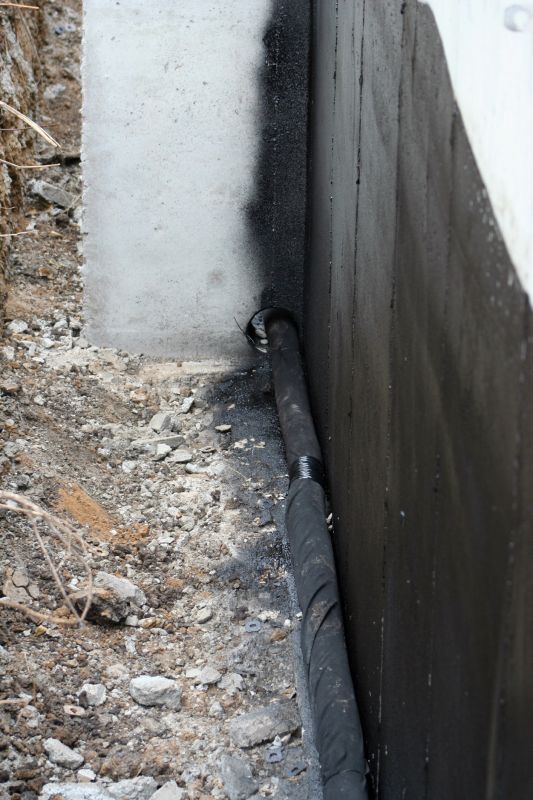
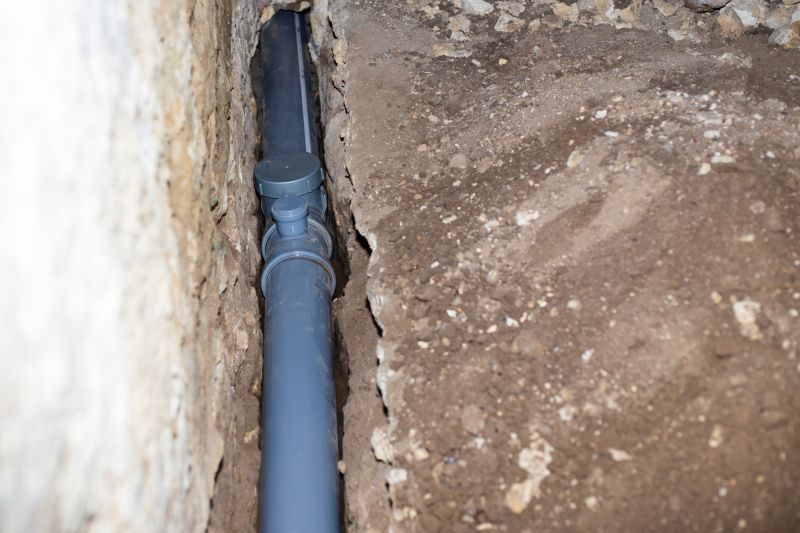
Drain line replacement services involve removing and installing new underground pipes that carry wastewater from a property to the main sewer line or septic system. This process typically includes excavating the affected area, removing the old or damaged drain pipes, and installing new piping that meets current standards. Skilled service providers use specialized equipment and techniques to ensure the new drain lines are properly fitted and securely connected, helping to restore efficient and reliable drainage for the property.
These services are often needed when existing drain lines develop persistent problems that cannot be easily repaired. Common issues include frequent clogs, slow draining sinks or toilets, foul odors, or sewage backups. Over time, drain lines can deteriorate due to age, corrosion, shifting soil, or root intrusion, leading to leaks or blockages. Replacing the drain line can eliminate these ongoing problems, preventing more serious damage and costly repairs down the line.
Drain line replacement is suitable for a variety of properties, including older homes with aging infrastructure, new construction requiring initial installation, or properties experiencing recurring drainage issues. Both residential properties-such as single-family homes, multi-family complexes, and condominiums-and certain commercial buildings may require this service. It’s a practical solution for addressing structural problems that compromise the plumbing system’s integrity and ensuring proper waste removal.
Homeowners should consider drain line replacement when they notice signs of persistent drainage issues or sewage odors that do not improve with standard repairs. If inspections reveal cracked, collapsed, or severely corroded pipes, replacement becomes a necessary step to restore proper function. Connecting with experienced local contractors can provide the expertise needed to evaluate the condition of existing drain lines and determine whether replacement is the most effective solution for maintaining a safe and functional plumbing system.
The overview below groups typical Drain Line Replacement projects into broad ranges so you can see how smaller, mid-sized, and larger jobs often compare in your area.
In many markets, a large share of routine jobs stays in the lower and middle ranges, while only a smaller percentage of projects moves into the highest bands when the work is more complex or site conditions are harder than average.
Smaller Repairs - typical costs for minor drain line repairs usually range from $250-$600. Many routine fixes fall within this middle range, depending on the extent of the issue and local labor rates.
Partial Replacement - replacing a section of a drain line can cost between $1,000 and $3,000. Larger projects involving partial replacements are less common but may be necessary for more extensive damage.
Full Drain Line Replacement - complete replacement services often range from $3,500 to $7,000, with some complex or large-scale projects exceeding $10,000. Most full replacements fall within this higher range depending on property size and access.
Complex or Custom Projects - highly intricate or custom drain line work can reach $5,000 or more. These projects are less frequent and typically involve additional factors like difficult access or specialized materials.
Actual totals will depend on details like access to the work area, the scope of the project, and the materials selected, so use these as general starting points rather than exact figures.
Sewer Line Repair - involves similar planning, excavation, and pipe replacement skills as drain line replacement services.
Kitchen Drain Installation - requires knowledge of plumbing systems, tools, and precise planning to ensure proper drainage connections.
Bathroom Plumbing Remodels - includes rerouting and replacing drain lines, which shares techniques used in drain line replacement projects.
Foundation Drainage Systems - involves installing or repairing underground drainage pipes, utilizing similar excavation and pipe handling skills.
Storm Drainage System Installation - entails planning and installing underground pipes to manage runoff, paralleling drain line replacement work.
Water Line Replacement - involves replacing or rerouting water supply pipes, requiring similar tools and planning as drain line services.
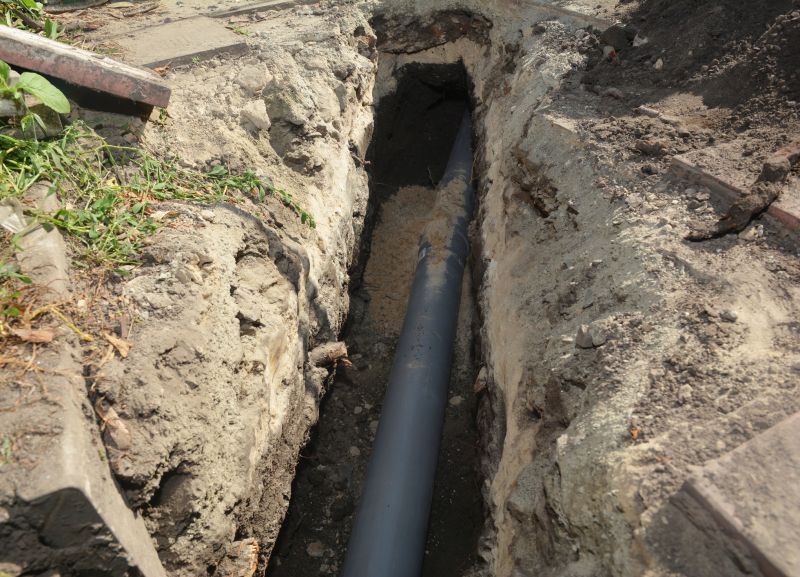
When comparing local contractors for drain line replacement, it's important to consider their experience with similar projects. Homeowners should look for service providers who have a proven track record of handling drain line work comparable to the scope of their own needs. Asking about the types of systems they have worked on and the complexity of past projects can help gauge their familiarity with the specific challenges that might arise during replacement. An experienced contractor is more likely to understand potential issues and provide solutions that are effective and long-lasting.
Clear, written expectations are crucial for ensuring that the scope of work, materials, and responsibilities are understood by all parties involved. Homeowners should seek service providers who can provide detailed written estimates or proposals that outline the work to be performed, the materials to be used, and any warranties or guarantees offered. Having these expectations documented helps prevent misunderstandings and provides a reference point throughout the project, making it easier to evaluate if the work aligns with initial discussions and needs.
Reputable references and good communication are also key factors when selecting a local contractor. Homeowners should inquire about references from previous clients who had similar drain line projects completed. Contacting these references can offer insight into the contractor’s reliability, quality of work, and professionalism. Additionally, service providers who communicate clearly and promptly, answer questions thoroughly, and keep homeowners informed throughout the process tend to foster a smoother project experience. It’s important to choose a contractor who demonstrates transparency and responsiveness, ensuring that expectations are managed and concerns addressed effectively.
Property owners use Drain Line Replacement services for practical projects around their homes and businesses. This guide focuses on everyday jobs and straightforward project options.
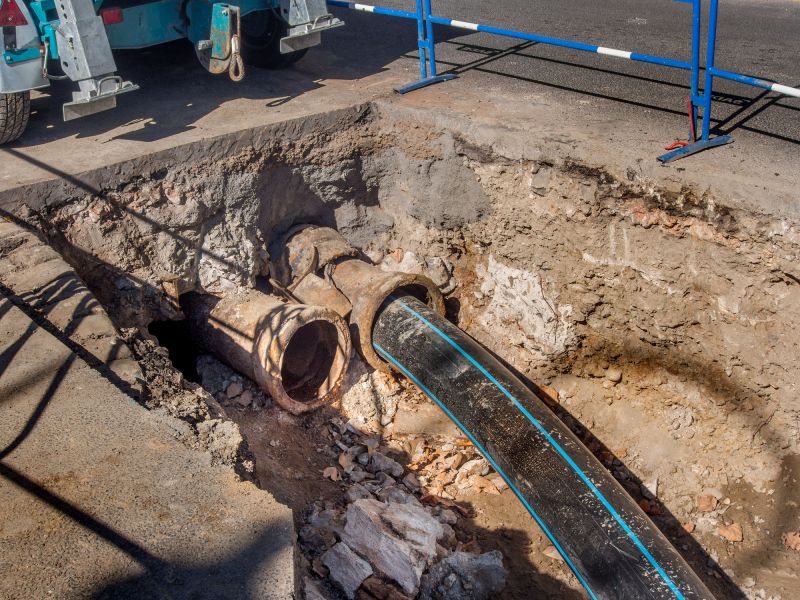
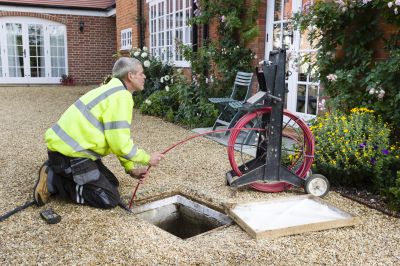
Drain line replacement services are often needed when property owners notice persistent clogs, foul odors, or slow-draining sinks and toilets. Over time, underground or hidden drain lines can become damaged due to tree roots, corrosion, or shifting soil, leading to backups and potential water damage. Local contractors specializing in drain line replacement can assess these issues and provide solutions to restore proper drainage and prevent future problems.
Homeowners may also seek drain line replacement after experiencing recurring backups or when planning significant renovations that require new plumbing connections. In older properties, deteriorating pipes might compromise the integrity of the plumbing system, making replacement a necessary step. Service providers in the area can help evaluate the condition of existing drain lines and recommend appropriate replacement options to keep plumbing systems functioning smoothly.
What causes drain lines to need replacement? Drain lines may require replacement due to age, corrosion, frequent clogs, or damage from tree roots and shifting soil.
How can I tell if my drain line needs to be replaced? Signs include persistent backups, foul odors, slow draining fixtures, or visible damage to the drain pipes.
What types of drain line materials are commonly replaced? Common materials include cast iron, clay, PVC, and ABS pipes, depending on the age and construction of the plumbing system.
Are there different methods for replacing drain lines? Yes, options include traditional excavation, pipe bursting, or trenchless techniques, which depend on the property and pipe condition.
How do I find local contractors for drain line replacement? You can contact service providers in your area who specialize in plumbing and drain line services to compare options and get connected.
Drain Line Replacement for Home Renovations - Upgrading drain lines can improve plumbing performance during remodeling projects, ensuring reliable waste removal.
Addressing Persistent Drain Blockages - Replacing aging drain lines helps prevent frequent clogs and backups in everyday household use.
Preparing for New Installations - Installing new drain lines is essential when adding bathrooms, kitchens, or laundry areas to a property.
Resolving Drain Leaks - Replacing damaged drain lines can eliminate leaks that cause water damage and mold growth inside the property.
If you are thinking about Drain Line Replacement for a property, this guide is meant to help you understand the work, the typical project types, and how different options might fit your plans.
When you are ready, you can use the quote form on this page to share a few details about your project. From there, local pros can review the basics and respond with options that match what you have in mind.